Dairy Background
There is a myth that dairy is the best way for a human adult to receive calcium. Since the 1900s, the media has told us that drinking milk gives us strong bones and helps to prevent osteoporosis. Nursing babies weaned off their human mother's breast milk are immediately placed on cow's milk to aid in growth and development. But human breast milk is unique in that it is fortified with essential antibodies from the mother, and depending on the period at which an infant continues to breast feed, antibodies from generations past that combat infectious diseases, allergies, and chronic illness. This is why it is so important to breast feed for at least the first 2 years of an infant's life. Some studies say longer.Lactose Intolerance
Humans are not designed to consume milk past our adolescent years, and we are definitely not meant to consume the milk of another mammalian species. Many adults are plagued with intolerances and allergens to dairy. Seventy-five percent (75%) of the population is lactose intolerant. Many are not even aware of their intolerances, as dairy has become such a staple in the Western diet and food sicknesses for many is believed to be caused by overeating.Dairy is not only found in the most obvious places, but can also be found in processed meats, margarines, breakfast grains, gravies, protein supplements, vitamins, bread, beer (milk stouts), chips, etc. Lactose (milk sugar) is added to many processed foods and supplements as a thickener and can be found on food labels in the form of whey, lactoserum, lactose, modified milk ingredients, milk solids, plus:
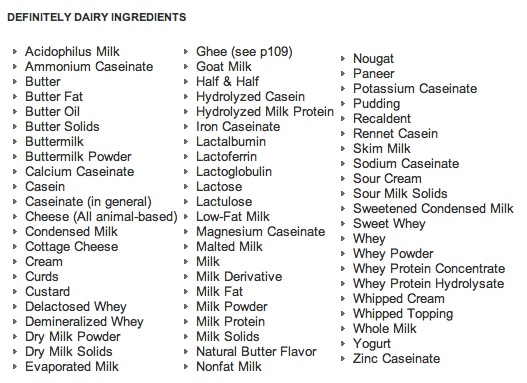
Image from website Go Dairy Free
Acidification and Osteoporosis
The dairy industry and the US government has targeted young children and women for centuries to get more calcium in their diets through the consumption of dairy to combat degenerative bone diseases, like osteoporosis. Studies have shown that nations with a high level of dairy consumption (mainly in a Westernized diet) actually have higher levels of hip fractures--a key indicator of osteoporosis. Consuming a high animal protein based diet (dairy, meat) creates a high acid environment in the body called metabolic acidosis. To combat this, the body turns to its most basic buffer, calcium, which is found in our bones. As calcium is leached from our bones for acid neutralization, bone erosion occurs, increasing the rate of osteoporosis as a result.pH Levels
pH levels in the body is a good indicator of acidification in the bloodstream. As stated, high acidification in the body leads to a increased chance of osteoporosis. Animal proteins have a negative effect on calcium stores, as proteins are composed of amino acids which contain sulfur. Sulfur is what determines the body's pH. Plant-based foods are more alkaline than animal-based foods, thus having lower concentrations of sulfur-based amino acids. A diet of plant-based whole foods thus decreases the level of sulfer in the body, decreasing acid levels in the blood stream and creating a more alkaline environment. This equals strong bones and overall longevity.Your pH levels can be easily tested each day with store-bought pH strips. A roll of ~120 strips costs a few bucks. A pH of 1-6 is too acidic, while a pH of 6.5-7.5 is ideal. The best time of day to test the pH through urine is in the morning when you first wake up. Keep a food journal and test each day to make sure your pH levels remain ideal.
Plant Calcium Solution
Calcium can be found in all whole foods and are more readily absorbed from plant sources as they are more easily broken down in the body. Leafy greens, oat, nut and seed-based milks such as soy milk, rice milk, almond milk, coconut milk, hazelnut milk, oat milk, hemp milk are great sources of calcium. The absorption of calcium is most efficient in coordination with other vitamins and minerals, such as vitamin D and magnesium. Essential vitamin D quantities can be obtained by a mere 15 minutes a day in the sun--no supplements necessary. And during those cloudy days or seasons, no fear--the liver is capable of storing up to three years of vitamin D at one time (Plant-Based Calcium: Sources and Absorbability). Magnesium can be obtained from nuts, legumes, breads made from whole grain wheat flour, bran, brown rice, spinach, raisins, and tap water to name a few. Again, no need for supplements as most of your dietary nutrition should be obtained through nutrient rich whole foods.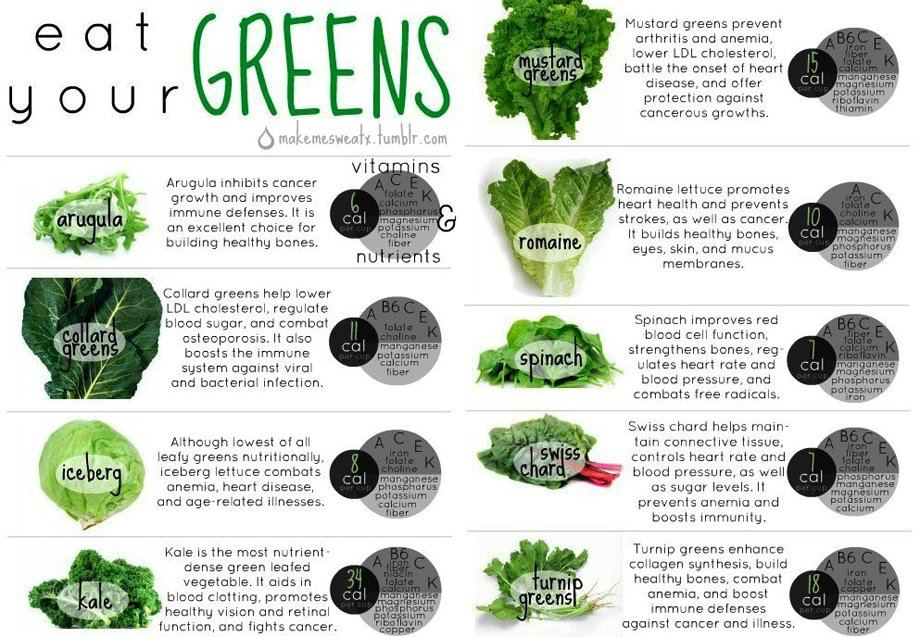
In addition to nut and seed-based milks and leafy greens, other food sources high in calcium are tofu, tempeh, figs, white beans, blackstrap molasses, Grade B maple syrup, broccoli, peas, brussel sprouts, dried herbs, sesame seeds, almonds, Brazil nuts.
No comments:
Post a Comment